
Building Governance
Better Buildings Require Better Governance
Commercial buildings are complex assets involving multiple stakeholders, competing priorities and significant financial, operational and compliance responsibilities.
While much attention is often given to maintenance, building systems and capital works, the quality of decisions made throughout the lifecycle of a building can have an equally significant impact on performance, risk and long-term asset value.
Building governance is the framework that supports those decisions.
BuildingIQ exists to help the people responsible for commercial buildings make better decisions.
By providing practical intelligence relating to governance, compliance, operations, lifecycle planning and building performance, BuildingIQ supports the stakeholders responsible for managing, operating and improving commercial buildings across Australia.

What Is Building Governance?
Building governance refers to the systems, processes, policies and responsibilities used to manage a building effectively.
It provides a structured framework for decision-making and helps ensure that buildings are operated in a manner that is safe, compliant, financially responsible and aligned with ownership objectives.
Good governance helps answer important questions such as:
- Who is responsible?
- What decisions need to be made?
- What information is required?
- What risks exist?
- How are priorities determined?
- How is performance measured?
Without governance, decisions often become reactive rather than strategic.
Governance Supports Better Decisions
Every commercial building generates hundreds of decisions each year.
Examples may include:
- Maintenance priorities
- Capital expenditure planning
- Contractor engagement
- Compliance management
- Sustainability initiatives
- Tenant requests
- Building upgrades
- Risk mitigation strategies
Effective governance provides the information, accountability and processes necessary to support these decisions.
The result is often improved building performance, reduced risk and more efficient use of resources.

Governance Is More Than Compliance
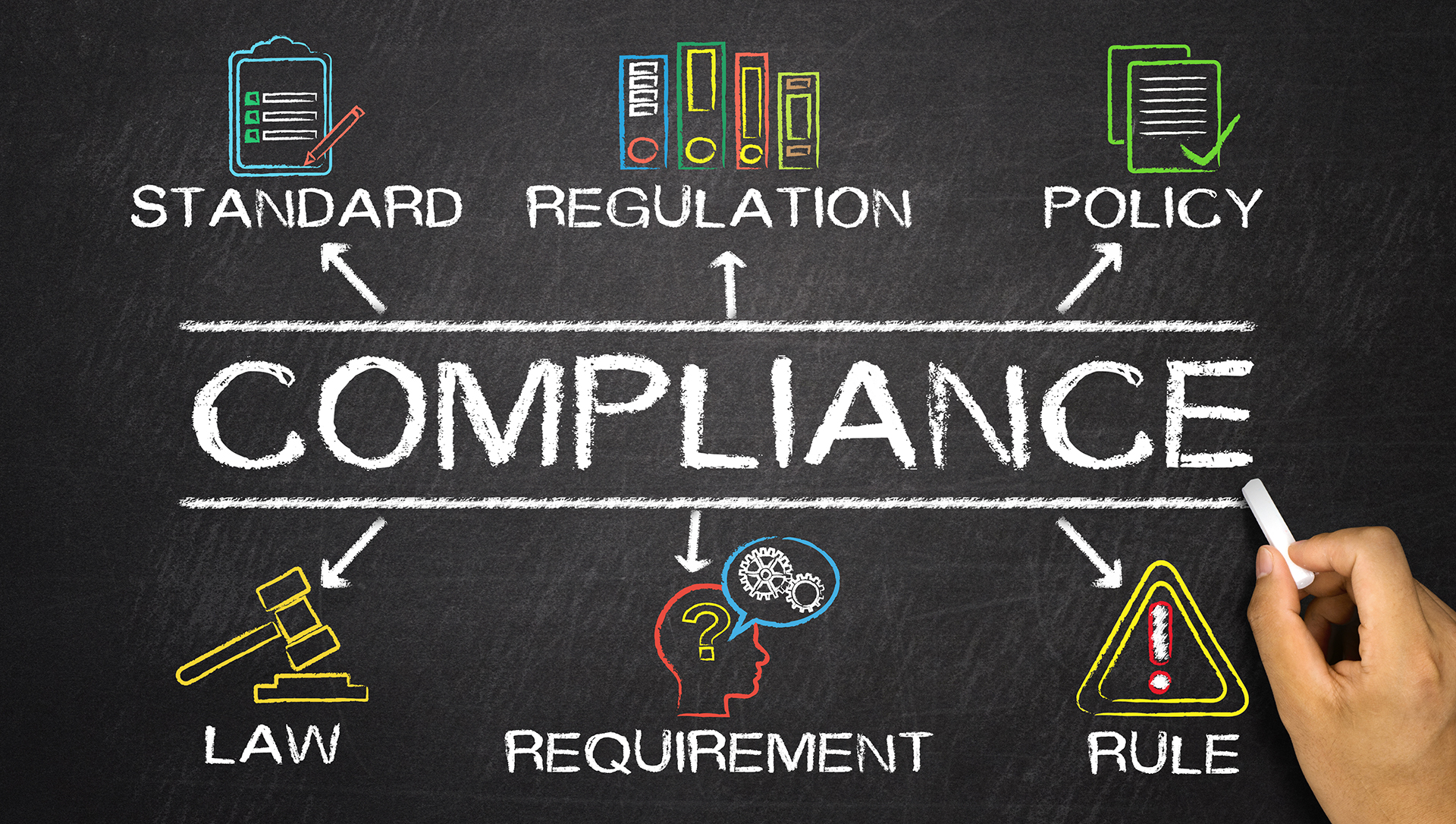
Compliance is an important component of building management, but governance extends much further.
Good governance includes:
- Strategic planning
- Asset lifecycle management
- Risk management
- Financial oversight
- Performance monitoring
- Stakeholder communication
- Contractor management
- Compliance management
Buildings with strong governance structures are often better prepared to respond to operational challenges, changing regulations and future investment requirements.
Multiple Stakeholders, Shared Responsibilities
Commercial buildings rarely have a single decision-maker.
Stakeholders may include:
- Landlords
- Investors
- Asset Managers
- Property Managers
- Facility Managers
- Building Managers
- Strata Managers
- Project Managers
- Engineers & Consultants
- Occupiers & Tenants
Each stakeholder has different responsibilities and objectives.
Building governance provides a framework that helps align these interests and supports informed decision-making across the asset.


Governance Across The Building Lifecycle
Governance applies throughout the entire lifecycle of a commercial building.
This includes:
Planning & Development
- Asset strategy
- Design decisions
- Risk assessment
- Sustainability objectives
Construction & Fitout
- Project governance
- Contractor management
- Quality assurance
- Handover processes
Operations & Maintenance
- Building performance
- Maintenance planning
- Compliance management
- Contractor oversight
Capital Works & Refurbishment
- Lifecycle planning
- Capital expenditure
- Asset replacement
- Project delivery
Governance provides continuity throughout these stages and supports long-term asset performance.

Governance & Risk Management
Many of the most significant building risks are governance failures rather than technical failures.
Examples may include:
- Incomplete asset information
- Poor contractor management
- Deferred maintenance
- Inadequate compliance programs
- Insufficient planning
- Lack of accountability
- Inconsistent reporting
Strong governance helps identify, manage and mitigate these risks before they become significant operational or financial issues.
Building Intelligence Supports Governance
Effective governance relies upon reliable information.
Without accurate information, decision-makers may struggle to prioritise expenditure, understand risk or plan future investment.
Building intelligence may include:
- Asset registers
- Building audits
- Technical due diligence
- Compliance reports
- Lifecycle assessments
- Building performance data
- Energy performance information
- Risk assessments
The quality of governance is often directly linked to the quality of information available.

Building Governance Supports Better Buildings
The most successful commercial buildings are rarely the result of a single decision.
They are the result of thousands of decisions made consistently over time.
Good governance provides the structure, accountability and information necessary to support those decisions.
Ultimately, better governance contributes to:
- Safer buildings
- More compliant buildings
- Better performing buildings
- Reduced operational risk
- Improved sustainability outcomes
- Stronger long-term asset value
BuildingIQ exists to support the people responsible for commercial buildings by providing practical intelligence that helps inform those decisions.
Because better governance supports better buildings.