
Building Operations Governance
Safe, Efficient Buildings Require Effective Operational Governance
Every commercial building relies on a series of operational activities that occur behind the scenes each day.
Contractors attend site. Maintenance is performed. Building systems are serviced. Tenants move in and out. Deliveries occur. Projects are undertaken. Risks are identified and managed.
While many of these activities appear routine, they involve responsibilities, processes and controls that help ensure the building remains safe, compliant and operationally effective.
Building Operations Governance provides the framework that supports these activities.
BuildingIQ exists to help the people responsible for commercial buildings make better decisions.
By providing practical intelligence relating to governance, compliance, operations, lifecycle planning and building performance, BuildingIQ supports the stakeholders responsible for managing commercial buildings throughout Australia.

What Is Building Operations Governance?
Building Operations Governance refers to the systems, procedures, responsibilities and controls used to manage day-to-day building activities.
It helps ensure that operational activities are:
- Safe
- Compliant
- Consistent
- Accountable
- Properly documented
- Aligned with ownership objectives
Good governance helps transform building operations from a reactive process into a structured management system.
Governance Begins With Responsibility
Every operational activity should have clearly defined responsibilities.
This may involve:
- Building Managers
- Facility Managers
- Property Managers
- Contractors
- Consultants
- Owners
- Occupiers
Clear accountability helps ensure decisions are made by the appropriate people and that operational risks are properly managed.


Contractor Governance
Contractors are responsible for a significant proportion of activities occurring within commercial buildings.
However, engaging a contractor is not simply a matter of issuing a purchase order.
Effective contractor governance may include:
- Contractor prequalification
- Insurance verification
- Licence verification
- Trade qualification checks
- Contractor inductions
- Site access procedures
- Permit to Work systems
- Performance monitoring
Strong contractor governance helps reduce risk and supports safer building operations.

Site Safety Governance
Many operational risks arise from activities occurring within occupied buildings.
Building Operations Governance often includes processes relating to:
- Safe Work Method Statements (SWMS)
- Job Safety Analysis (JSA)
- Toolbox Talks
- Site inductions
- Traffic management
- Public protection measures
- Hazard identification
- Incident reporting
These processes help ensure that contractors, occupants and visitors remain safe while work is being undertaken.
Permit To Work Systems
Many commercial buildings utilise Permit to Work systems to manage higher-risk activities.
Examples may include:
- Hot works
- Confined space entry
- Electrical isolation
- Roof access
- Working at heights
- Penetrations and core drilling
- Fire system impairments
Permit systems help ensure risks are assessed, responsibilities are understood and appropriate controls are implemented before work commences.
Access Control & Building Security
Operational governance also extends to building access and security.
This may include:
- Contractor sign-in procedures
- Visitor management
- Access card management
- After-hours access
- Building security protocols
- Key management systems
These controls support safety, security and operational accountability.
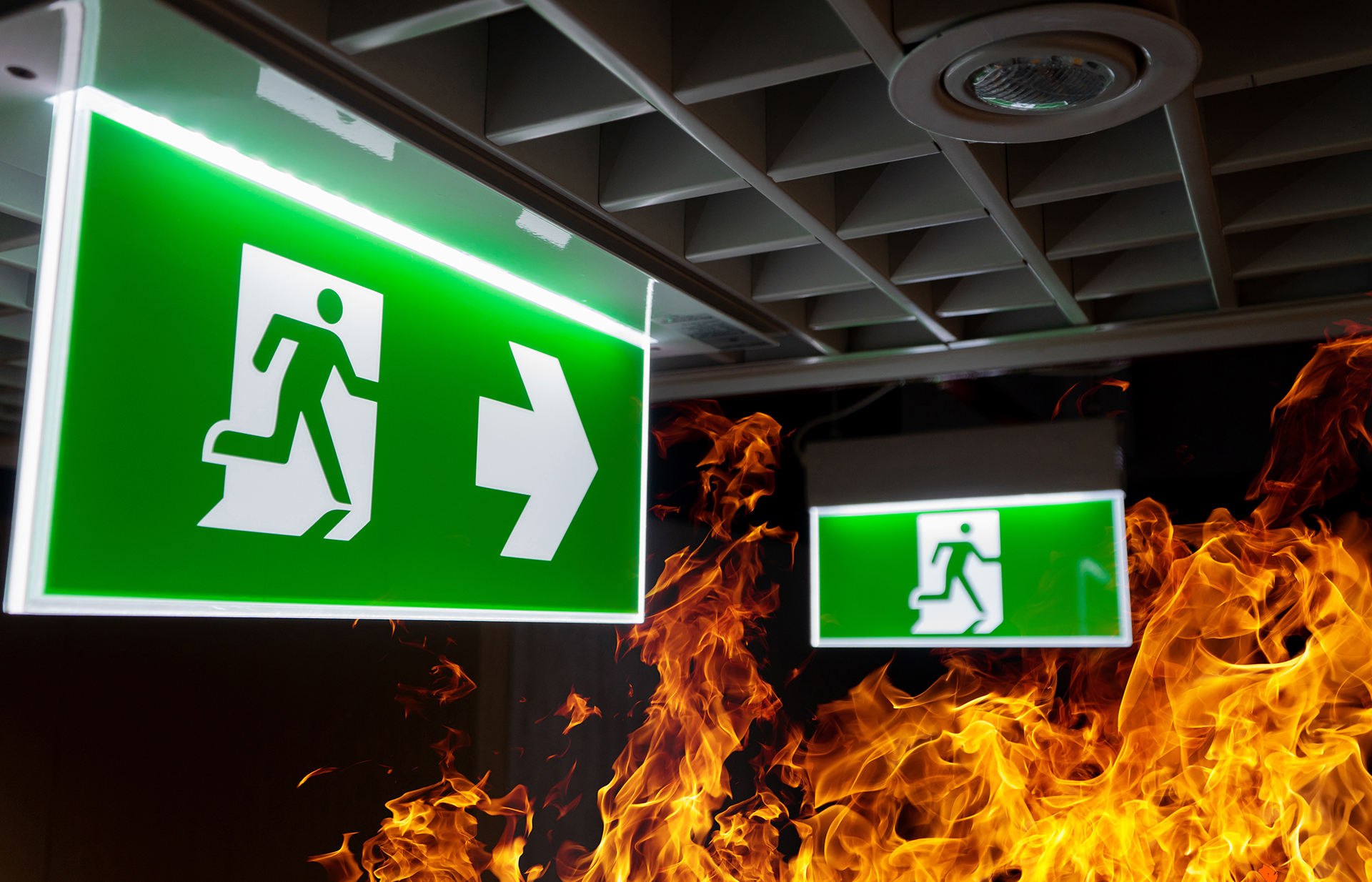
Emergency Preparedness
Commercial buildings must be prepared for unexpected events.
Building Operations Governance often includes:
- Emergency planning
- Evacuation procedures
- Emergency Control Organisation (ECO) structures
- Training programs
- Emergency exercises
- Incident response procedures
Effective governance helps ensure buildings are prepared to respond appropriately during emergencies.
Documentation & Record Keeping
Governance relies on accurate information.
Operational records may include:
- Contractor registers
- Induction records
- Permit records
- Compliance documentation
- Incident reports
- Maintenance records
- Risk assessments
- Audit reports
Maintaining reliable records supports accountability and provides evidence that governance processes are functioning effectively.


Governance & Risk Management
Many operational failures are not caused by equipment.
They are caused by failures in process, communication or accountability.
Examples may include:
- Contractors working without approval
- Missing SWMS documentation
- Inadequate inductions
- Poor supervision
- Incomplete records
- Unmanaged risks
Strong operational governance helps identify and manage these issues before they become safety incidents, compliance failures or financial liabilities.
Better Governance Supports Better Operations
Successful building operations are rarely the result of chance.
They are supported by governance systems that provide structure, accountability and consistency.
Effective Building Operations Governance contributes to:
- Improved safety outcomes
- Reduced operational risk
- Better contractor performance
- Improved compliance outcomes
- Stronger accountability
- Better occupant experiences
- More reliable building operations
BuildingIQ provides practical intelligence designed to support these outcomes and help stakeholders make better operational decisions.
Because better governance supports better buildings.