
Compliance
Better Buildings Require Effective Compliance
Commercial buildings operate within a complex environment of legal, regulatory, operational and safety obligations.
These obligations exist to help protect building occupants, contractors, owners, assets and the broader community.
While compliance is often viewed as a regulatory requirement, effective compliance delivers benefits that extend far beyond meeting minimum obligations.
Strong compliance frameworks help reduce risk, support operational performance, protect asset value and contribute to safer, more reliable buildings.
BuildingIQ exists to help the people responsible for commercial buildings make better decisions.
By providing practical intelligence relating to governance, compliance, operations, lifecycle planning and building performance, BuildingIQ supports stakeholders responsible for managing commercial buildings throughout Australia.

What Is Compliance?
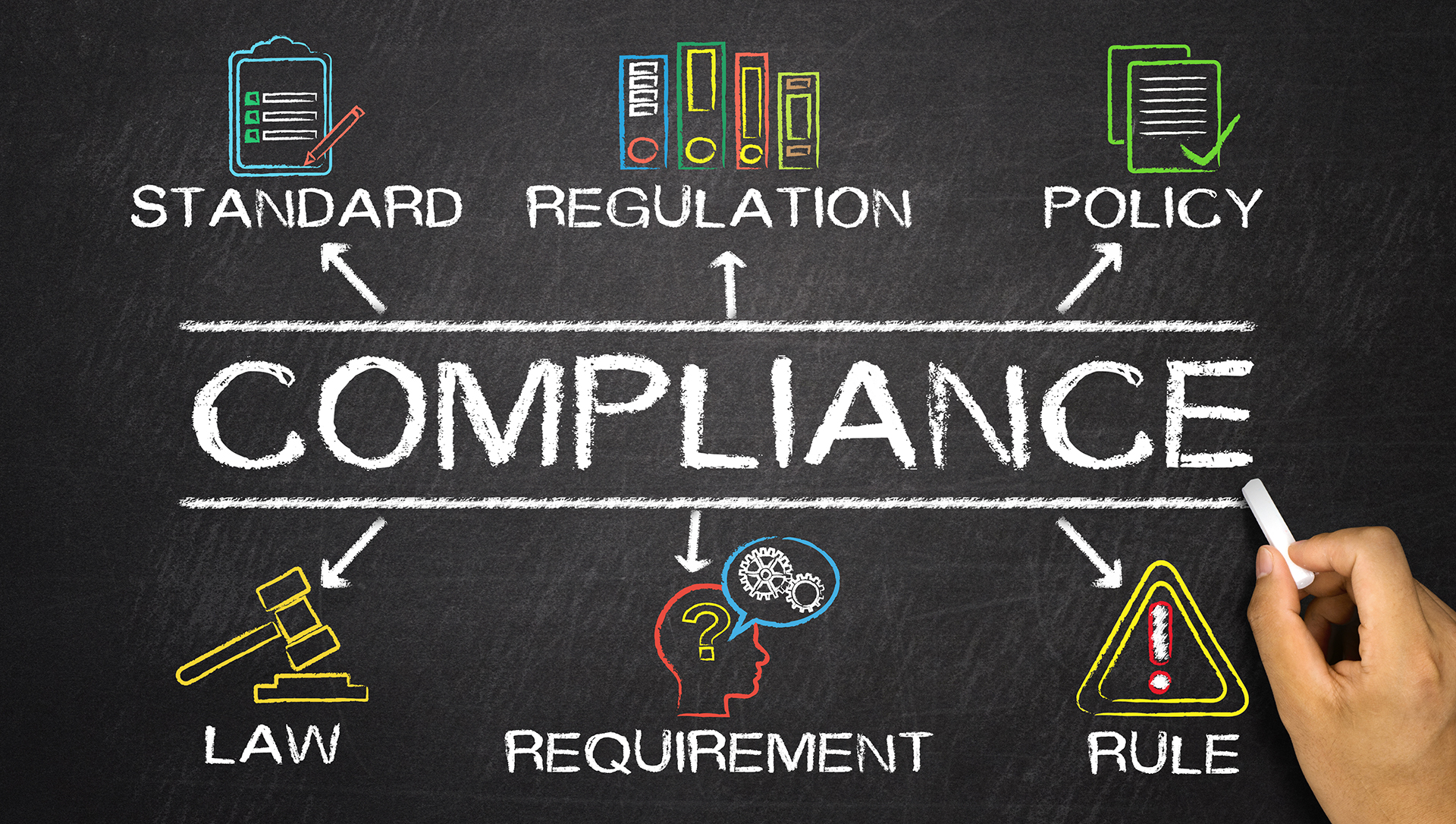
Compliance refers to the processes, systems and activities used to ensure a building meets its legal, regulatory and operational obligations.
These obligations may arise from:
- Legislation
- Building codes
- Australian Standards
- Workplace Health & Safety requirements
- Lease obligations
- Insurance requirements
- Regulatory authorities
- Industry best practice
Effective compliance helps ensure buildings operate safely, responsibly and in accordance with applicable requirements.
Compliance Is More Than Regulations
Many people associate compliance with paperwork, audits and inspections.
While these activities are important, compliance is ultimately about protecting people, assets and investments.
Good compliance supports:
- Occupant safety
- Contractor safety
- Asset reliability
- Risk management
- Operational continuity
- Insurance requirements
- Organisational accountability
When compliance is managed effectively, it becomes an important component of building performance and governance.

Commercial building compliance rarely rests with a single individual.
Stakeholders may include:
- Building Owners
- Investors
- Asset Managers
- Property Managers
- Facility Managers
- Building Managers
- Strata Managers
- Contractors
- Consultants
- Occupiers & Tenants
Each stakeholder may have different responsibilities depending on the asset, its use and the applicable regulatory requirements.
Effective compliance relies upon communication, accountability and clearly defined responsibilities.
Compliance Across The Building Lifecycle
Compliance requirements exist throughout the lifecycle of a building.
Planning & Development
- Building approvals
- Design compliance
- Regulatory approvals
Construction & Fitout
- Contractor compliance
- Workplace safety
- Construction approvals
Operations & Maintenance
- Essential services maintenance
- Safety systems testing
- Building inspections
Capital Works & Refurbishment
- Project approvals
- Design reviews
- Regulatory compliance
Compliance is not a single event. It is an ongoing process that evolves with the building.


Compliance & Risk Management
Many building risks are directly linked to compliance failures.
Examples may include:
- Fire safety deficiencies
- Inadequate maintenance
- Contractor non-compliance
- Missing documentation
- Safety incidents
- Regulatory enforcement actions
Effective compliance programs help identify and manage these risks before they result in significant operational, financial or reputational impacts.
Compliance & Asset Value
Compliance can have a direct influence on asset performance and value.
Poor compliance may contribute to:
- Increased operational risk
- Insurance complications
- Regulatory penalties
- Reduced tenant confidence
- Unexpected capital expenditure
Conversely, well-managed compliance programs help support:
- Asset reliability
- Occupant confidence
- Investor confidence
- Improved operational performance
- Long-term asset value
Compliance should be viewed as an investment in asset protection rather than simply an administrative requirement.


Information Supports Compliance
Effective compliance relies upon reliable information.
Examples may include:
- Compliance registers
- Asset registers
- Building audits
- Inspection reports
- Maintenance records
- Risk assessments
- Contractor records
- Emergency management documentation
The quality of compliance outcomes is often directly linked to the quality of information available.

Building Compliance Is Constantly Evolving
Regulations, standards and stakeholder expectations continue to evolve.
Technologies change. Buildings age. New risks emerge.
Maintaining compliance requires ongoing monitoring, review and continuous improvement.
Buildings that proactively manage compliance are generally better positioned to respond to changing requirements and operational challenges.
Better Compliance Supports Better Buildings
Successful buildings are supported by governance frameworks that encourage accountability, transparency and continuous improvement.
Effective compliance contributes to:
- Safer buildings
- Reduced risk
- Improved operational performance
- Better stakeholder confidence
- Improved sustainability outcomes
- Stronger asset protection
- Better long-term investment outcomes
BuildingIQ provides practical intelligence designed to help stakeholders understand compliance obligations and make informed decisions throughout the building lifecycle.
Because better compliance supports better buildings.