
Facility Governance
Better Building Performance Requires Better Facility Governance
Commercial buildings are complex environments consisting of people, processes, assets, systems and services that must work together to support safe, compliant and efficient operations.
While maintenance and compliance activities are often highly visible, the governance structures supporting these activities are equally important.
Facility governance provides the framework that helps ensure building operations are consistent, accountable and aligned with ownership objectives.
BuildingIQ exists to help the people responsible for commercial buildings make better decisions.
By providing practical intelligence relating to governance, compliance, operations, lifecycle planning and building performance, BuildingIQ supports facility managers, property managers, building managers and owners responsible for commercial assets throughout Australia.

What Is Facility Governance?
Facility governance refers to the systems, processes, controls and responsibilities used to manage the operational performance of a building.
It provides a framework for:
- Asset management
- Maintenance management
- Compliance management
- Contractor management
- Risk management
- Building performance monitoring
- Lifecycle planning
Good governance ensures that operational decisions are supported by reliable information, clear accountability and structured processes.
Without governance, building operations often become reactive rather than strategic.
Governance Supports Building Performance
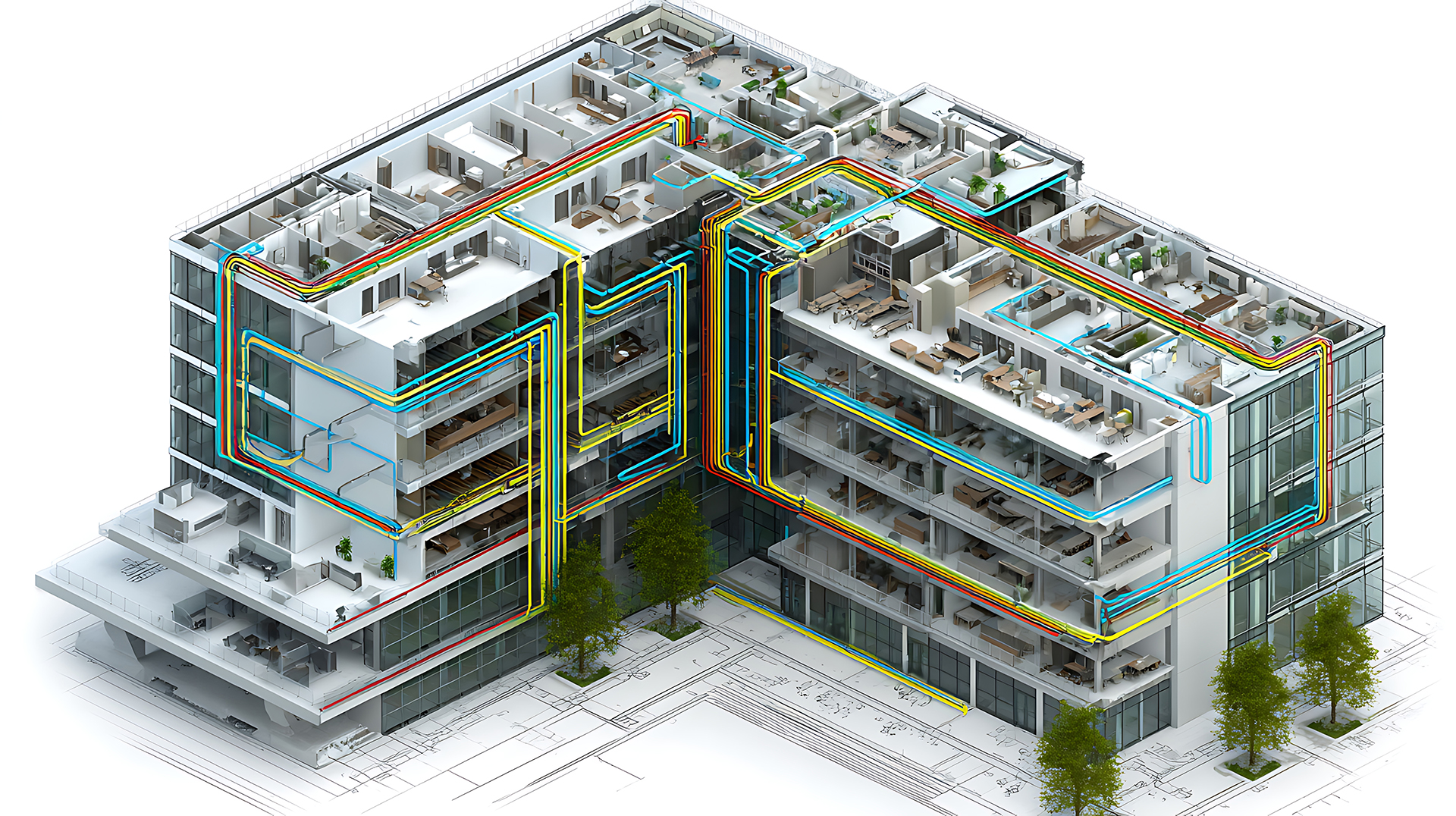
Every commercial building relies on a wide range of interconnected systems and services.
These may include:
- HVAC Systems
- Building Management Systems
- Electrical Infrastructure
- Fire Protection Systems
- Hydraulic Services
- Security Systems
- Vertical Transport
- Energy Infrastructure
Facility governance helps ensure these systems are properly managed, maintained and monitored throughout their lifecycle.
Strong governance supports improved reliability, reduced operational risk and better long-term building performance.


Asset Governance
Commercial buildings often contain hundreds or thousands of individual assets.
Facility governance includes processes that support:
- Asset identification
- Asset registers
- Asset condition assessments
- Lifecycle planning
- Capital forecasting
- Asset replacement strategies
Reliable asset information helps stakeholders make informed decisions regarding maintenance, upgrades and future investment requirements.
Maintenance Governance
Maintenance is one of the most visible aspects of facility management.
However, effective maintenance relies upon governance structures that support:
- Planned maintenance programs
- Service contracts
- Performance monitoring
- Contractor accountability
- Defect management
- Maintenance reporting
Good maintenance governance helps ensure resources are directed towards activities that support operational performance and risk reduction.
Contractor Governance
Most commercial buildings depend on specialist contractors to maintain building systems and services.
Facility governance often includes oversight of:
- Contractor selection
- Insurance verification
- Contractor licences
- Contractor inductions
- Safe Work Method Statements (SWMS)
- Permit to Work systems
- Contractor performance monitoring
Strong contractor governance helps improve safety outcomes, reduce risk and support consistent service delivery.
Compliance Governance
Compliance obligations continue to expand across the commercial property sector.
Facility governance supports compliance through structured processes relating to:
- Essential services maintenance
- Annual Fire Safety Statements (AFSS)
- Cooling tower compliance
- Emergency preparedness
- Roof anchor certification
- Workplace Health & Safety obligations
- Regulatory inspections
Governance provides the framework that helps ensure compliance activities are planned, documented and effectively managed.

Governance & Risk Management
Many operational risks are the result of governance failures rather than equipment failures.
Examples may include:
- Incomplete asset information
- Poor contractor oversight
- Inadequate maintenance planning
- Missing compliance documentation
- Deferred maintenance
- Lack of accountability
Strong governance helps identify and manage these risks before they impact building operations, compliance outcomes or asset value.
Information Drives Better Decisions
Facility governance depends upon reliable information.
Examples may include:
- Asset registers
- Compliance registers
- Maintenance records
- Building audits
- Risk registers
- Lifecycle plans
- Building performance reports
- Energy consumption data
The quality of operational decisions is often directly linked to the quality of information available.

Facility Governance Supports Better Buildings
Successful buildings are rarely the result of maintenance alone.
They are supported by governance frameworks that encourage accountability, consistency and informed decision-making.
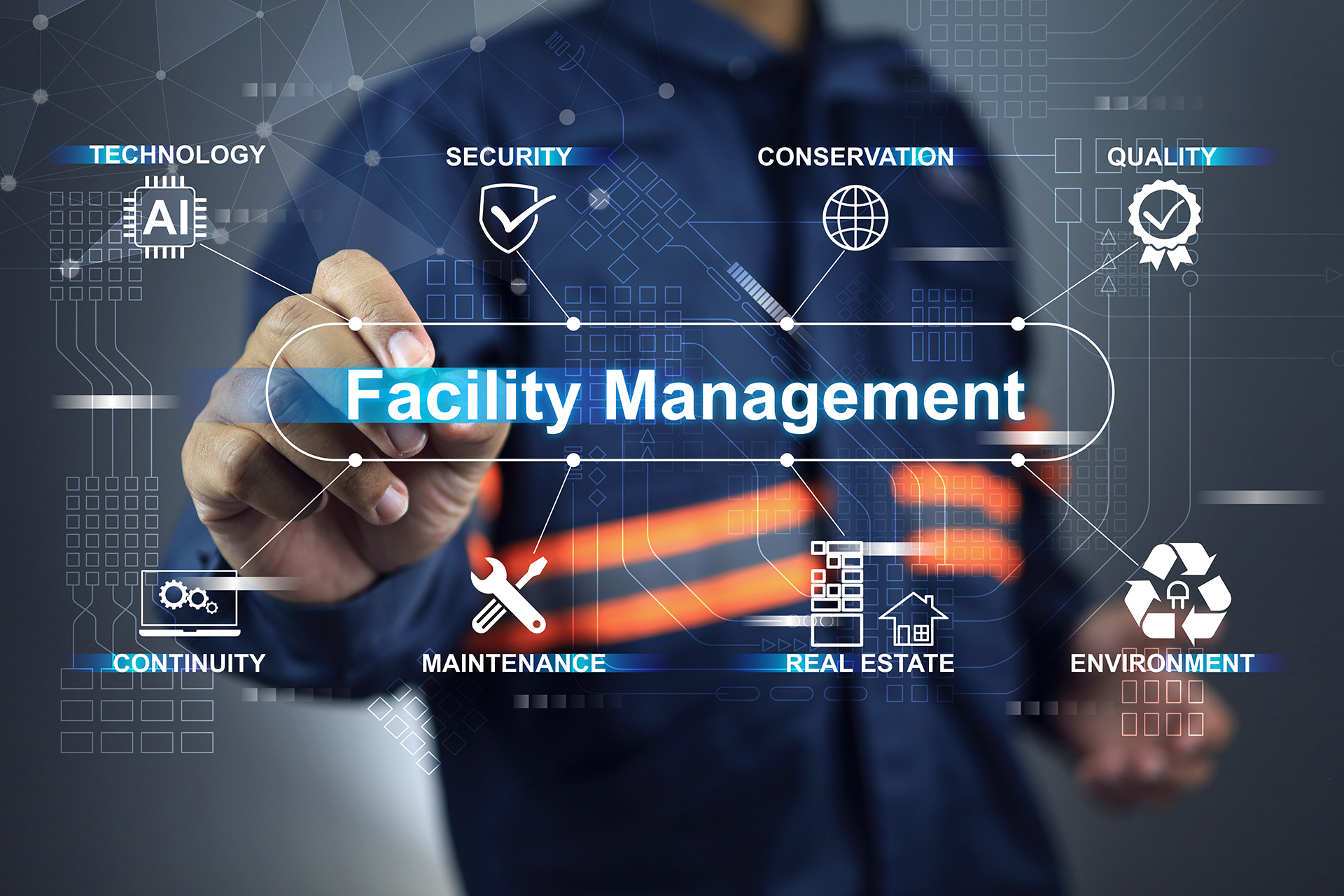
Effective facility governance contributes to:
- Improved building performance
- Better compliance outcomes
- Reduced operational risk
- More effective maintenance programs
- Improved sustainability outcomes
- Better lifecycle planning
- Stronger long-term asset value
BuildingIQ provides practical intelligence designed to support these outcomes and help stakeholders make better building decisions.
Because better governance supports better buildings.