Risk Governance
Understanding Risk Before It Becomes a Problem
Every commercial building carries risk.
Some risks are visible and obvious. Others remain hidden until they result in operational disruption, financial loss, compliance failures or safety incidents.
The challenge for building owners and managers is not simply responding to risk when it occurs, but identifying, understanding and managing risk before it becomes a problem.
Risk Governance provides the framework that supports this process.
BuildingIQ exists to help the people responsible for commercial buildings make better decisions.
By providing practical intelligence relating to governance, compliance, operations, lifecycle planning and building performance, BuildingIQ supports stakeholders responsible for managing risk across commercial property assets.

What Is Risk Governance?
Risk Governance refers to the systems, processes, responsibilities and controls used to identify, assess, manage and monitor risk.
It helps organisations understand:
- What risks exist?
- How significant are those risks?
- Who is responsible?
- What controls are in place?
- What actions are required?
Effective Risk Governance supports informed decision-making and helps reduce the likelihood and impact of adverse events
Risk Exists Throughout The Building Lifecycle
Risk is not limited to a single area of building management.
It exists throughout the lifecycle of a commercial property.
Planning & Development
- Design risks
- Specification risks
- Procurement risks
- Project risks
Construction & Fitout
- Safety risks
- Contractor risks
- Programme risks
- Quality risks
Operations & Maintenance
- Asset failures
- Compliance risks
- Operational disruptions
- Contractor performance risks
Capital Works & Refurbishment
- Budget risks
- Delivery risks
- Occupant impacts
- Asset performance risks
Risk Governance provides a consistent framework across all stages of the asset lifecycle.

Operational Risk
Operational risks are among the most common risks affecting commercial buildings.
Examples may include:
- Critical equipment failures
- Building Management System failures
- Chiller failures
- Lift outages
- Fire system faults
- Security failures
- Water ingress
- Utility interruptions
Many operational risks can be reduced through effective planning, maintenance, monitoring and governance.
Compliance Risk
Failure to comply with regulatory obligations can expose owners and managers to significant financial, legal and reputational consequences.
Examples may include:
- Essential services non-compliance
- Annual Fire Safety Statement deficiencies
- Workplace Health & Safety failures
- Inadequate contractor controls
- Missing documentation
- Regulatory enforcement actions
Governance helps ensure compliance obligations are identified, monitored and managed appropriately.

Financial Risk
Commercial property assets are significant financial investments.
Financial risks may include:
- Unexpected capital expenditure
- Deferred maintenance liabilities
- Budget overruns
- Procurement failures
- Lease risks
- Revenue impacts
- Insurance exposures
Strong governance supports more informed financial decision-making and long-term asset planning.
Asset Risk
Building assets naturally deteriorate over time.
Without effective governance, stakeholders may struggle to understand:
- Asset condition
- Remaining useful life
- Replacement requirements
- Deferred maintenance exposure
- Critical asset dependencies
Asset registers, condition assessments and lifecycle planning all play an important role in managing asset-related risks.

Contractor & Project Risk
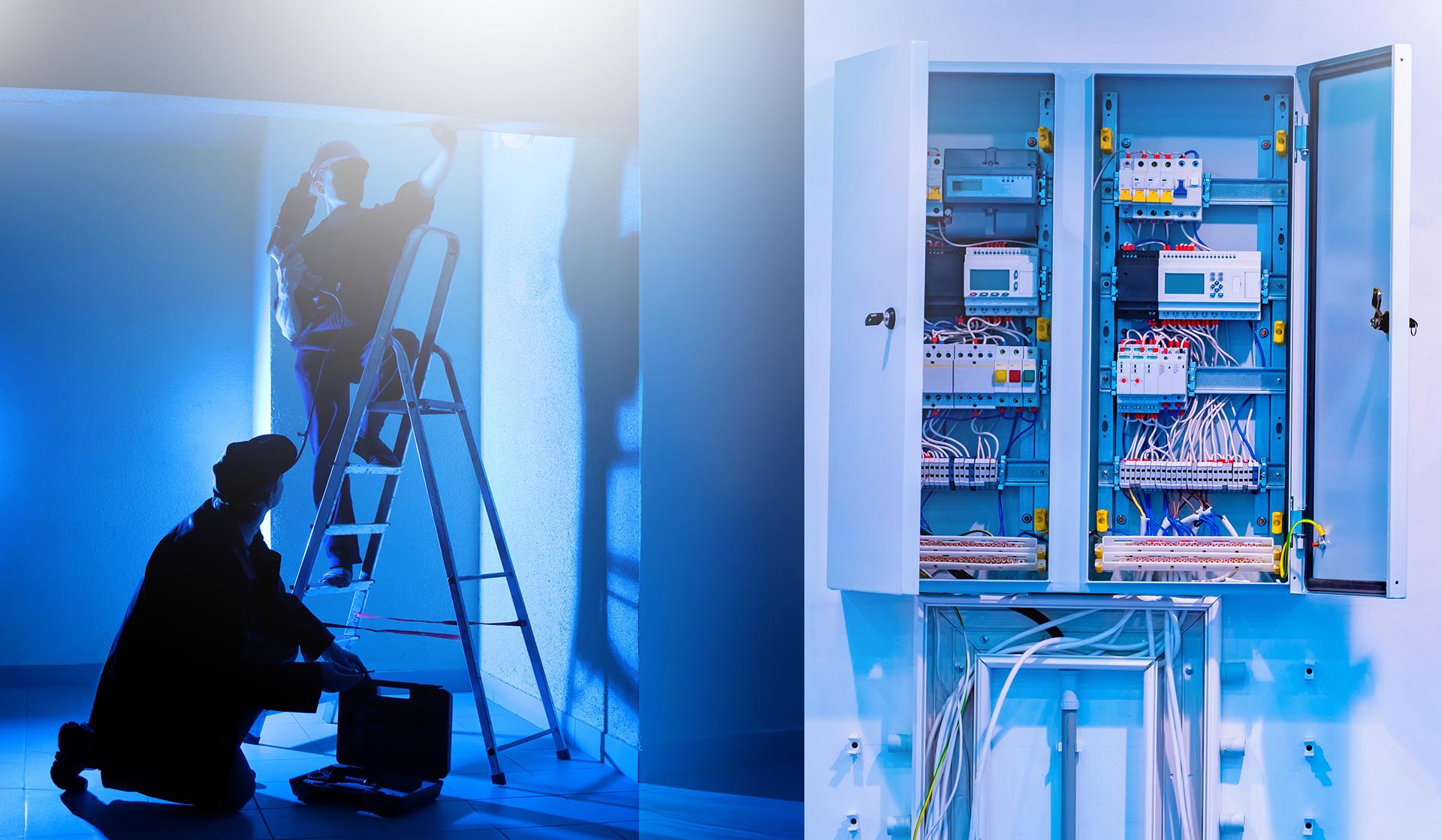
Commercial buildings rely heavily on contractors, consultants and project teams.
Risks may arise from:
- Contractor performance
- Inadequate supervision
- Safety incidents
- Insurance deficiencies
- Project delivery failures
- Poor workmanship
- Incomplete documentation
Governance processes help establish accountability and reduce exposure to these risks.
Information Supports Risk Governance
Risk management depends upon reliable information.
Examples may include:
- Risk registers
- Asset registers
- Building audits
- Compliance reports
- Technical due diligence reports
- Maintenance records
- Incident reports
- Performance data
The quality of risk governance is often directly linked to the quality of information available to decision-makers.
Governance Creates Accountability
One of the most important functions of Risk Governance is establishing accountability.
Good governance helps ensure:
- Risks are identified
- Responsibilities are assigned
- Actions are documented
- Controls are reviewed
- Performance is monitored
Without accountability, risks often remain unmanaged until a significant event occurs.
Better Governance Reduces Risk
While risk can never be eliminated entirely, effective governance helps organisations understand and manage risk more effectively.
Strong Risk Governance contributes to:
- Improved decision-making
- Reduced operational disruptions
- Better compliance outcomes
- Improved safety performance
- More informed capital planning
- Greater organisational resilience
- Stronger long-term asset performance
BuildingIQ provides practical intelligence designed to help stakeholders understand, assess and manage risk throughout the commercial building lifecycle.
Because understanding risk is the first step towards managing it.